Pet Protection for Rented Properties to Keep Your Deposit
Renting with a pet can feel stressful, especially if you are worried about muddy paws, scratched floors or losing part of your deposit. The good news is that with a few simple habits and the right protective products, you can keep your rental clean, comfortable and pet friendly without constant anxiety.
Pet Rebellion wants you to live confidently as a proud pet owner, and we provide practical barriers against day-to-day wear from pets as part of our product range. Below, you will find practical, real world advice to help you protect your home, keep your landlord happy and make life easier for you and your pet.
What Legal Changes Affect Pet Ownership in Rental Homes?
First of all, you may be wondering if there are any laws that prevent you from owning pets while renting. Some good news here is that under recent legal reforms, including the Renters’ Rights Act 2025, the idea of renting with pets is becoming more accepted. Tenants will soon have a statutory right to request keeping a pet, and landlords will be required to consider these requests fairly without imposing blanket “no pets” policies.
Landlords can only refuse a pet request on reasonable grounds, such as lease restrictions, health concerns, or unsuitability of the property for the specific pet. This legal shift aims to balance tenant rights with landlord protections and clarifies procedures for handling pet permissions, refusals, and disputes.
What Practical Steps Protect Rental Properties from Pet Damage?
If you want to protect your deposit and keep your landlord happy, then there are some specific steps you can take to do this. Some involve steps you should take before moving in or getting your pet, and others are more practical tips that you should use regularly throughout your tenancy.
Take an Inventory When Moving In
Before your pet fully settles into your new rental, take the time to document everything. Walk through the property and photograph floors, carpets, doors, skirting boards and any existing marks or wear. If your landlord provides an inventory, read it carefully and make sure it accurately reflects the condition of each room.
This simple step protects you. If there are already scratches on the hallway floor or stains on the carpet, you have clear evidence that they were not caused by your pet. It also helps you understand which areas may need extra protection, such as adding a washable mat in high traffic zones. A thorough inventory gives you peace of mind and makes end of tenancy discussions far smoother.
Clean Regularly
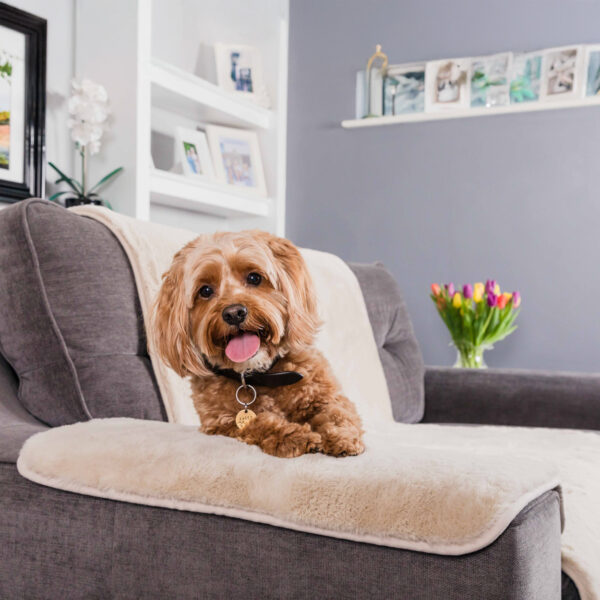
When you rent with pets, little and often is the best approach. Dirt, fur and odours build up quickly if left unchecked, especially in smaller spaces. Vacuum high traffic areas several times a week, wipe down skirting boards and doors, and wash pet bedding frequently.
Accidents should be cleaned immediately using enzyme-based products that neutralise odours rather than just covering them up. Regular cleaning prevents stains from setting into carpets and stops smells lingering in soft furnishings. It also shows that you are taking proper care of the property, which goes a long way in protecting your deposit and maintaining a positive relationship with your landlord.
Use Quality Protective Mats and Rugs
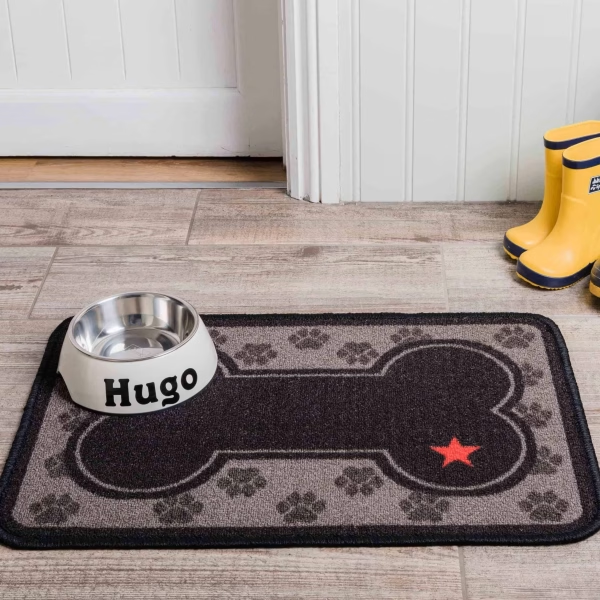
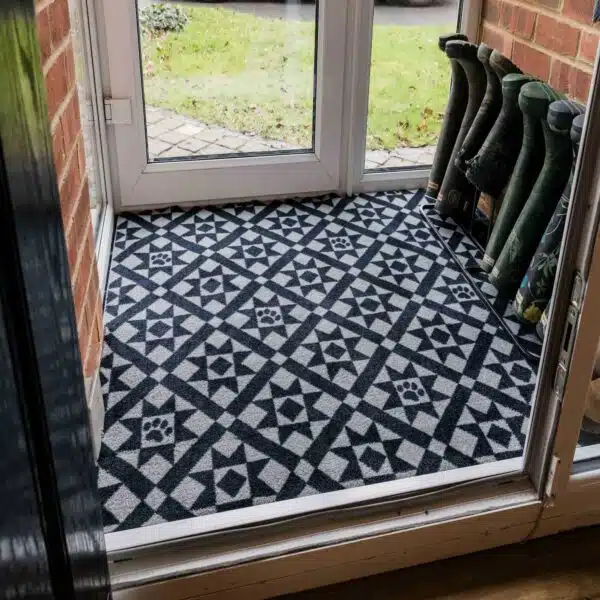
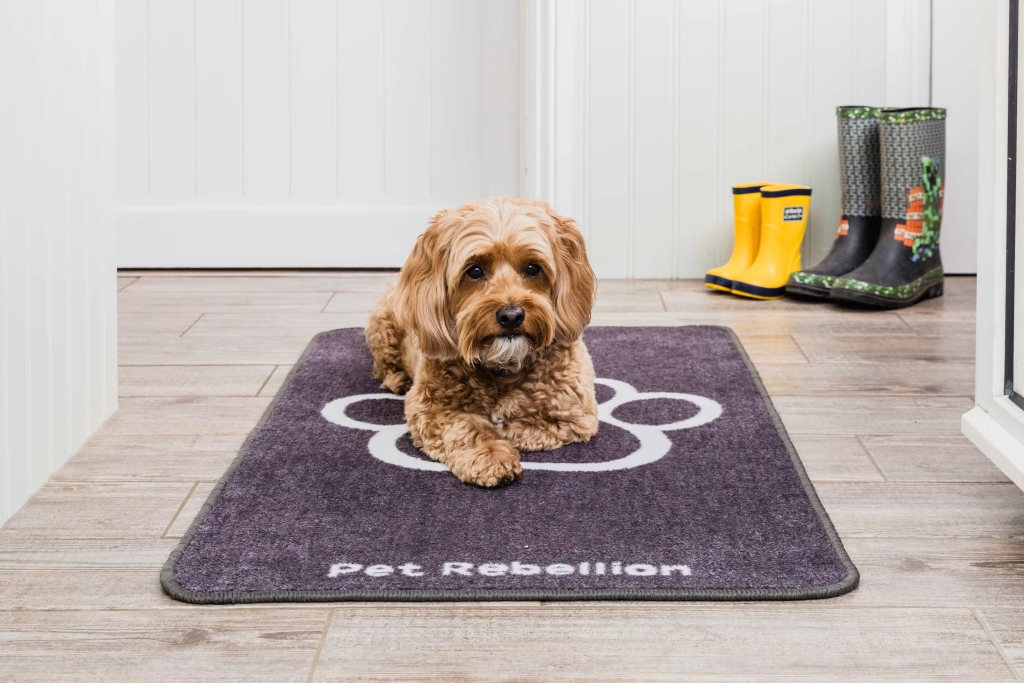
Not all mats are created equal. Thin, decorative rugs might look nice, but they will not stand up to muddy paws or heavy daily use. Investing in high quality, absorbent dog mats gives you a practical barrier between your pet and the original flooring.
Place them by entrances and in areas where your pet likes to rest, and use dog bowl mats where your pet likes to eat. A durable, washable mat traps dirt before it spreads and protects against scratches, moisture and staining.
Keep Your Pet Well Groomed
Grooming is not just about appearance, it is one of the easiest ways to protect your rental home. Regular brushing reduces shedding, which means less fur embedded in carpets and furniture. Keeping nails trimmed lowers the risk of scratches on wooden floors and doors. Or if you have carpet then invest in a quality pet hair remover to make your life easier and keep your carpets hair-free.
If you have a dog that loves muddy walks, rinsing or wiping paws before they come inside makes a noticeable difference. Staying on top of flea treatments and general hygiene also helps prevent larger issues that could affect the property. A well groomed pet is cleaner, more comfortable and far less likely to cause avoidable damage in your rented home.
What Actions Should Be Taken When Damage Occurs?
If pet damage happens, documenting it thoroughly with photos and professional inventories aids in resolving disputes. Landlords may seek deductions from the tenancy deposit for repairs or cleaning related to pet damage, provided these costs are reasonable and justified.
Early and constructive communication between landlord and tenant can often resolve damage issues amicably. In more serious cases, professional mediation or legal action may be warranted, but both parties benefit from clear agreements and records.
What Is the Role of Tenancy Agreements Regarding Pets?
Tenancy agreements are the legal backbone for managing pet ownership in rentals. Including clear pet clauses ensures tenants understand their responsibilities and landlords have a framework for enforcing rules.
These agreements should specify what pets are allowed, behavioural expectations, maintenance obligations, and consequences for damage or breaches. A well-written agreement clarifies terms, supports dispute resolution, and facilitates harmonious pet-friendly living arrangements.
Where Can Landlords and Tenants Find Support and Resources?
Many organisations provide guidance for renting with pets including government websites, landlord associations, and animal welfare charities like the PDSA.
Landlord insurance providers also offer products tailored to pet-related risks and advice on managing pet-friendly properties. Tenants can benefit from resources on responsible pet ownership, preparing pet CVs, and finding suitable rental homes.
Rent Confidently as a Pet Owner
Tenants who demonstrate responsible pet care increase their chances of securing pet-friendly housing and maintaining positive landlord relationships. With the right preparation, consistent cleaning habits and quality protective mats in place, you can enjoy your home without stressing over every paw print.
Ultimately, renting with pets is about responsibility and prevention. Put the right safeguards in place from day one, and you can create a clean, comfortable home that works for you, your landlord and your pet.
-

Dinner Mate – Little Paws
Out of Stock£9.99 -
Victorian Tile Cut-to-Size Rug
Original price was: £39.99.£31.99Current price is: £31.99. -
Comfy Cover Ultimate Sofa Bundle – Grey
Original price was: £99.96.£79.97Current price is: £79.97. -
Comfy Arm Cover – Stone
Original price was: £9.99.£7.99Current price is: £7.99.