How Your Dog Could Be Devaluing Your Car’s Resale Value
As a pet owner, bringing your dog along for car journeys can be a joyful experience, but it also comes with practical challenges. Many pet owners face costly repairs caused by dog scratches, chewing, accidents, and dirt inside their vehicles.
Understanding these risks and taking preventive measures can save you hundreds, even thousands, of pounds in car repairs and help you retain the value of your car to achieve the best resale value when it comes time to sell.
What Types of Damage Can Dogs Cause to Cars?
Dogs can unintentionally inflict several types of damage to your car. Scratches are common, especially on doors and seat edges, caused by their claws when they try to steady themselves.
Upholstery damage, such as tears or claw marks, can affect both fabric and leather seats. Chewing is another concern, where seat belts, door panels, and even gear knobs can be gnawed on, potentially even compromising safety features like seat belts.
Additionally, accidents such as urine or vomit stains can lead to expensive upholstery cleaning costs or reupholstering if the damage is severe. Lastly, dirt, mud, and pet hair accumulate inside, often requiring thorough cleaning or mat replacements.
How Much Can Dog-Related Car Damage Cost?
The financial impact of pet-related car damage varies but can quickly add up. Minor exterior scratches may cost around £80 each to repair, while torn upholstery can set you back around £100 per repair depending on the extent of the damage.In cases of soiling or urine damage, reupholstering a seat could cost up to £325 or more, depending on the material.
Chewed car parts such as seat belts can require costly replacements, typically around £150 depending on your vehicle and its spec. Even dirt and hair accumulation can result in the need for new mats at approximately £20, or worse, full carpet replacement at a higher cost. Over your dog’s lifetime, damage could total nearly £1,816 or more if left unchecked.
How to Protect Your Car from Dog Damage
Simple preventative steps can dramatically reduce pet-related car damage. If you follow these steps, then you are not only doing your best to retain your car’s value but also making sure that your pet is safe and comfortable when joining you on your journeys.
Make Sure They Are Properly Secured
Keeping your dog safely secured is crucial for both their welfare and your vehicle’s condition. Dogs left unrestrained may become anxious or restless, leading to scratching, chewing, or accidents.
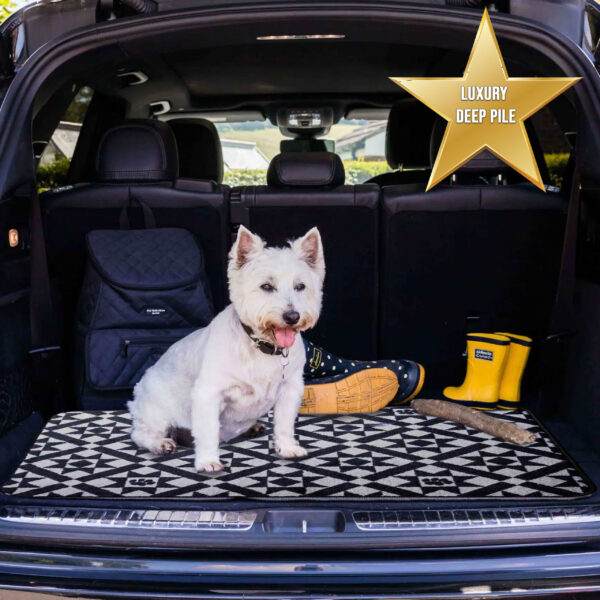
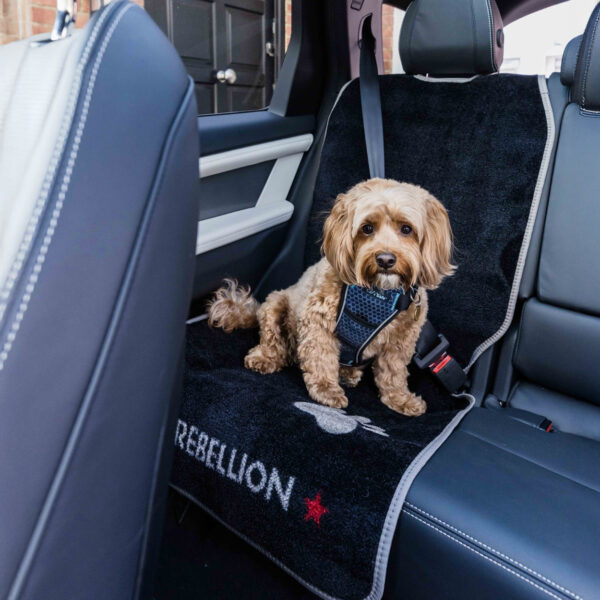
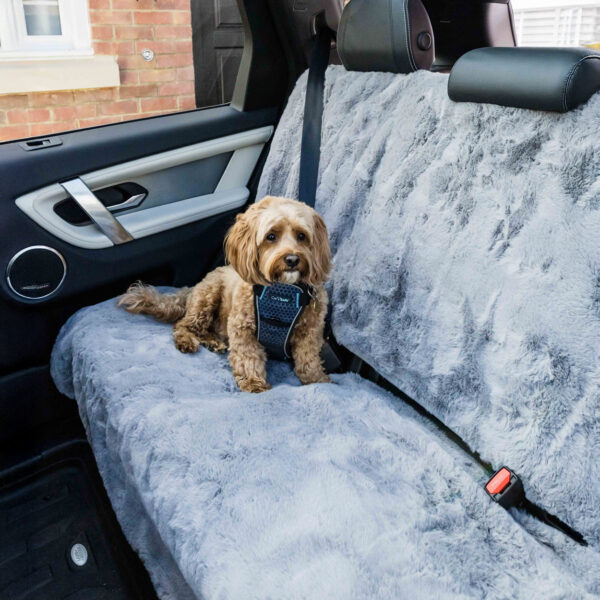
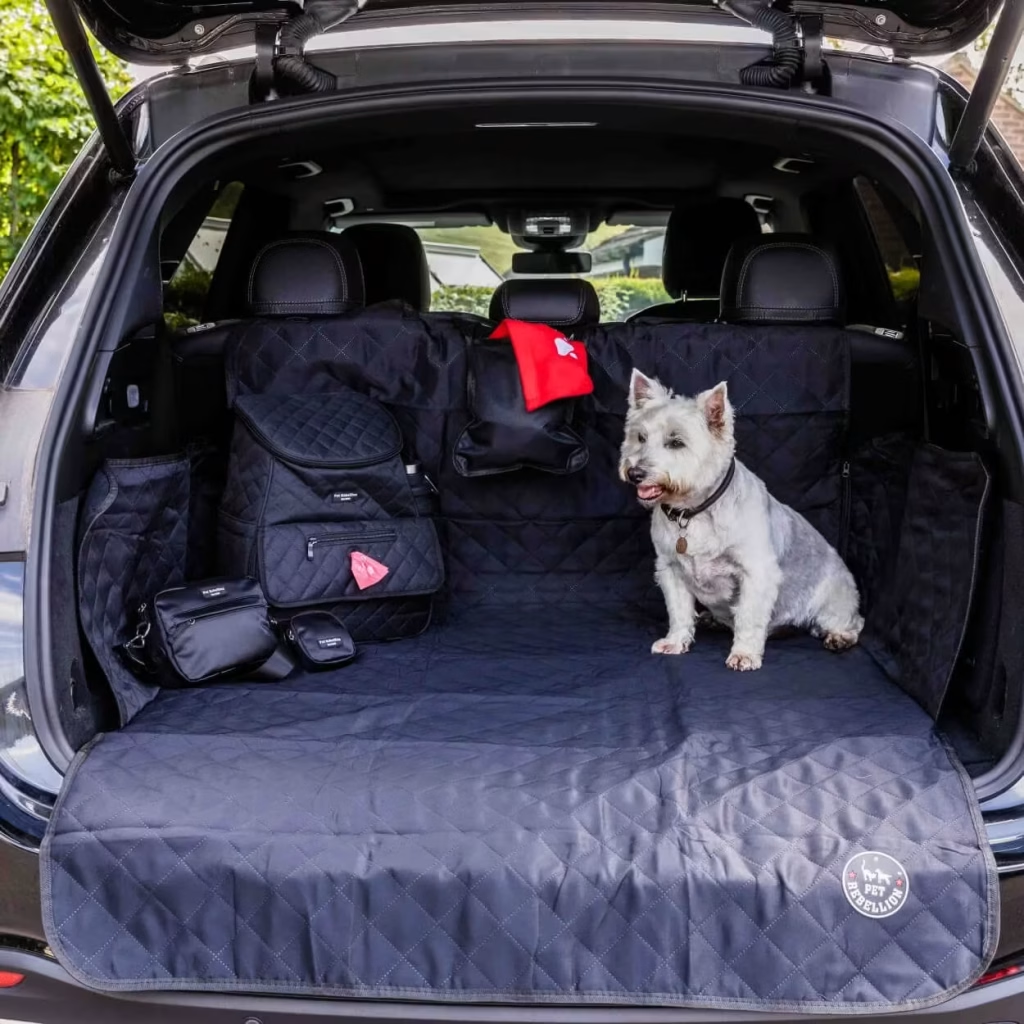
Non-slip car seat covers and boot liners keep your dog comfortable while protecting surfaces. Using dog harnesses with seat belts or dedicated pet carriers restricts your dog’s movement and prevents chewing on critical car parts.
Damaged seat belts not only endanger your pet and passengers but could cause your car to fail its MOT, leading to expensive repairs and legal consequences. Moreover, distracted driving due to an unsettled dog can result in fines or insurance claim denials if involved in an accident. Securing your dog with a harness or in a crate limits movement, reduces anxiety, and protects your car’s interior.
Clean and Use Preventative Measures
Regular interior cleaning and valeting reduce hair buildup and dirt, extending your car’s lifespan and improving its appearance, and ensuring your dog is dry and clean before entry can prevent mud and water from damaging your car.
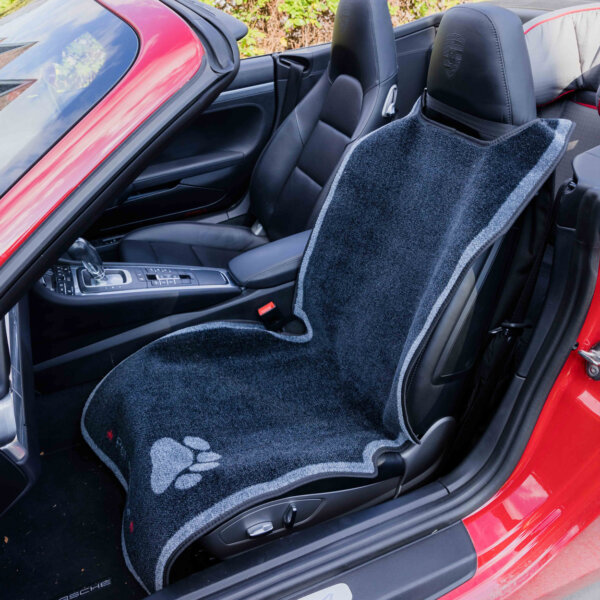
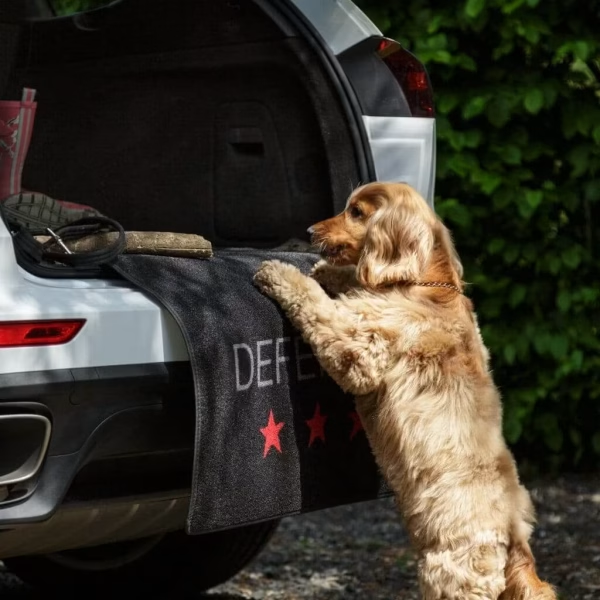
Machine-washable dog car seat covers and barrier rugs create a protective layer over your upholstery, catching dirt, hair, and moisture before it can be absorbed into your car’s interior. Consider also using a car boot protector for dogs if you like your dog to travel in the boot.
Keep Your Dog Occupied
Car travel can be stressful for many dogs, which can increase the likelihood of damaging behaviours. Familiarising your dog gradually to car journeys through short, calm trips helps them build confidence. Additionally, giving your dog chew toys during travel may help divert their chewing urges away from your car’s interior.
Look out for signs of anxiety such as excessive panting, whining, barking, pacing, or attempts to escape. Frequent breaks give your dog time to relieve themselves, reducing the risk of accidents.
What to Do if Your Car Has Been Damaged by Your Dog?
If you find damage caused by your dog, assessing the extent of harm early is key. Minor scratches might be treatable with DIY kits, while upholstery tears or chewed seat belts need professional repair. Repairing promptly not only restores your car but keeps it safe and valuable.
Contact your car insurance provider to check if your policy covers pet-related damage, though many standard policies do not. In cases without insurance coverage, seeking quotes from specialists experienced with pet damage repairs can help manage costs. Lastly, consider investing in protective accessories to prevent future damage.
Keep Your Car Safe and Your Dog Happy on the Road
Pet Rebellion offers a range of stylish, practical products to shield your vehicle’s interior from mud, scratches, hair, and accidents.
Barrier rugs, non-slip seat covers, and boot liners are designed for easy cleaning and durability, fitting seamlessly into modern cars. By combining these solutions, you not only protect your investment in your vehicle but also create a stress-free environment for travelling with your dog.
Make your next journey safe, clean, and enjoyable with Pet Rebellion’s expert products. Explore dog bowl mats, dog mats for car boot, and dog back seat cover options for comprehensive protection.
-

Boot Mate – Victorian Tile
£31.99 -
Sports Seat Carpet – Fixed Headrest
£26.99 -
Car Seat Carpet – Adjustable Headrest
£36.99 -
Defender boot and bumper protector
£33.99 -
Back Seat Comfy Car Seat Cover
Out of Stock£44.99