
How to Stop Your Dog Throwing Up in the Car
Seeing your dog throw up in the car is upsetting and stressful, especially when it happens every time you travel. If your dog becomes nauseous as soon as the engine starts, you are far from alone. Car sickness is a common problem for dogs and is usually linked to motion sickness, anxiety, or a negative association with past journeys.
Puppies are particularly prone, but adult dogs can struggle too. The good news is that dog car sickness is often manageable with the right approach. This guide explains why dogs vomit in the car and shares practical, dog-friendly ways to reduce nausea, ease anxiety, and make every journey more comfortable for both of you.
Why Does My Dog Throw Up in the Car?
Car sickness in dogs is a common issue often caused by motion sickness or anxiety linked to travel. Puppies are especially prone because their inner ear balance system is still developing. Older dogs may vomit due to stress or negative associations with previous car trips, such as visits to the vet. The sensation of movement, unfamiliar sights, smells, and sounds can overwhelm your dog, causing nausea and vomiting. Sometimes, the stress from travelling can trigger vomiting even without physical motion sickness, creating a challenging cycle that increases discomfort for your dog and stress for you.
What Are the Signs of Car Sickness in Dogs?
Before vomiting occurs, your dog may show several signs pointing to motion sickness or anxiety, recognising these early warning signs can help you intervene before your dog becomes visibly unwell, reducing the risk of vomiting and improving their travel experience:
- Excessive drooling or salivating
- Lip licking or smacking
- Whining or restlessness
- Panting and yawning
- Retching or nausea
- Lethargy or refusal to enter the car
How Can I Prevent My Dog from Vomiting in the Car?
There are multiple strategies that can help reduce or prevent vomiting during car rides:
- Acclimate Your Dog to the Car Slowly
Start with short exposure sessions, like sitting quietly in the stationary car with treats and praise, then gradually progress to short drives. Making the car a positive place is key. - Restrict Food Intake Before Travel
Feeding your dog two to three hours before a journey can reduce the chance of nausea. Avoid feeding right before trips to keep their stomach light. - Secure and Position Your Dog Comfortably
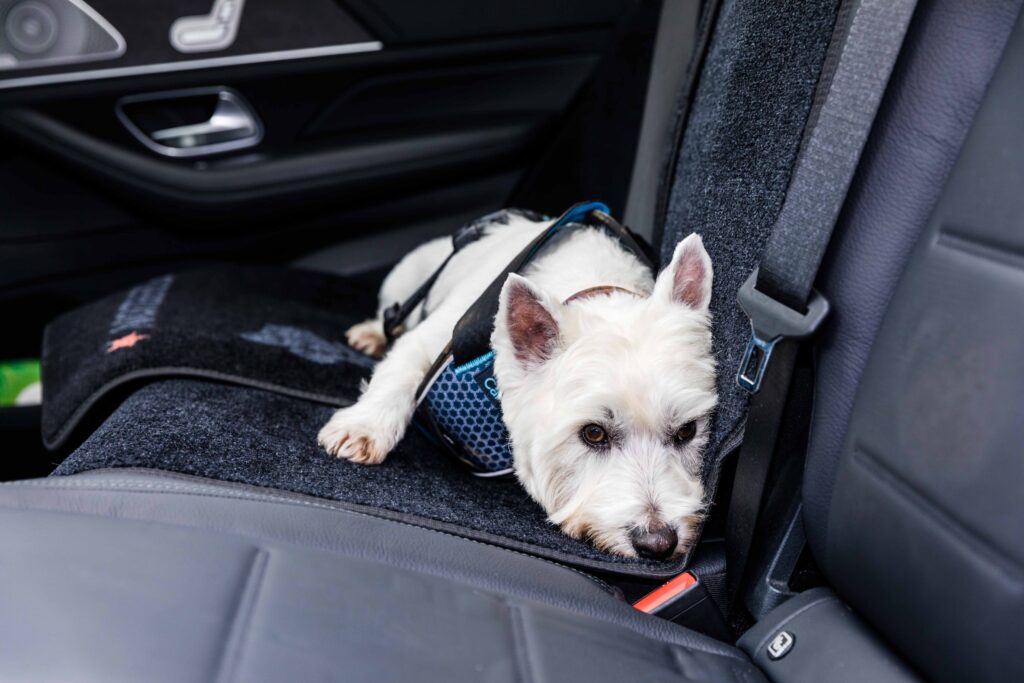
Use a well-padded crate or a dog car seat with a harness to keep your dog stable and facing forward. Facing forward reduces visual triggers of motion sickness. - Keep Air Flowing and Temperature Comfortable
Slightly open windows to let fresh air circulate. Keeping the car cool and well-ventilated helps ease nausea. - Use Calming Aids
Pheromone sprays, calming collars, or natural supplements can soothe anxiety. Discuss options with your vet to find what suits your pet best. - Offer Distractions and Comfort Items
Bring along your dog’s favourite toys, blankets, or treats exclusive to car journeys. This helps create a positive association with travel.
What to Do If Your Dog Still Vomits Despite Precautions?
If vomiting persists, consider these extra steps:
- Consult Your Vet for Medication Options
Prescription anti-nausea medications like maropitant (Cerenia) or anti-anxiety drugs may be recommended for short-term use during travel. - Avoid Punishment or Stress During Episodes
Respond calmly if your dog vomits. Yelling or showing frustration will only increase their anxiety and worsen symptoms. - Plan for Quick and Easy Cleanup
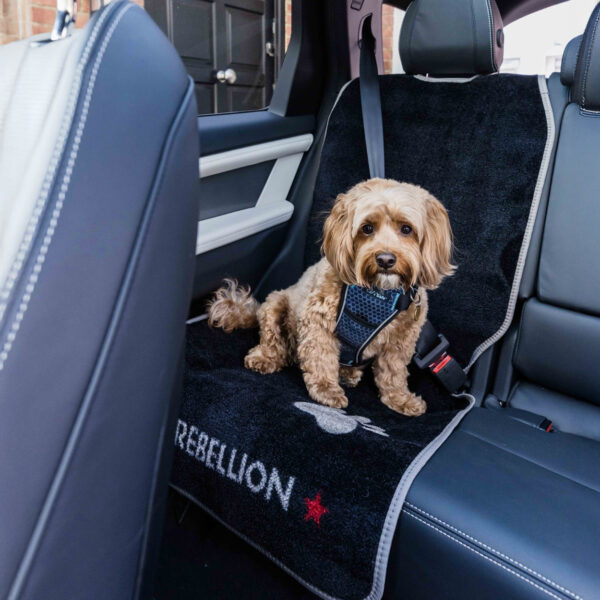
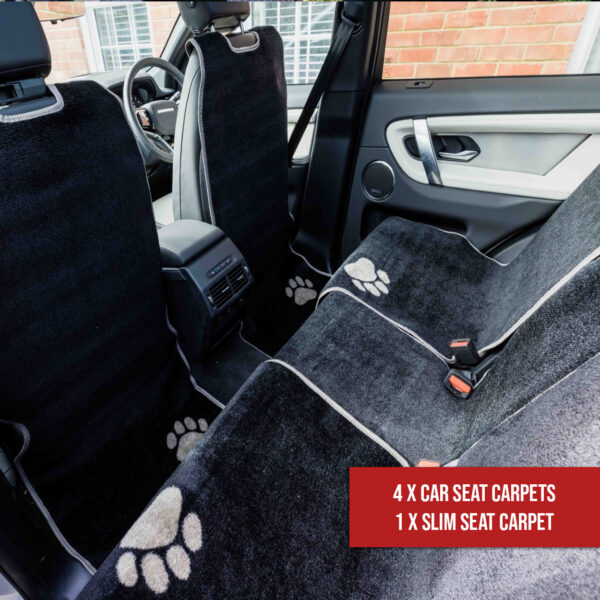
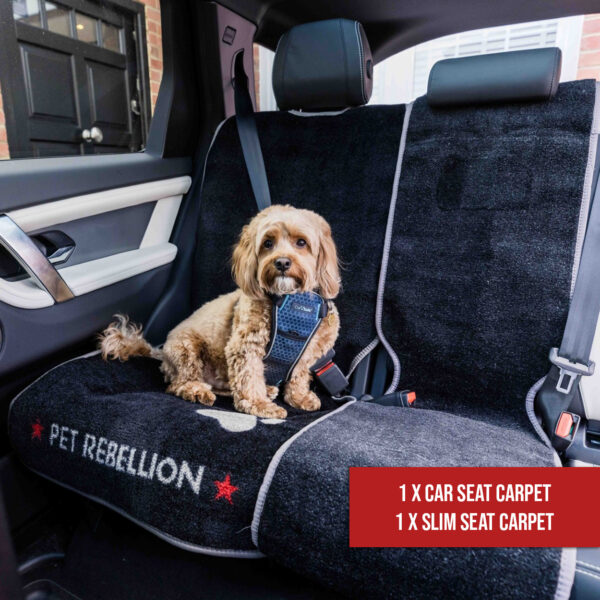
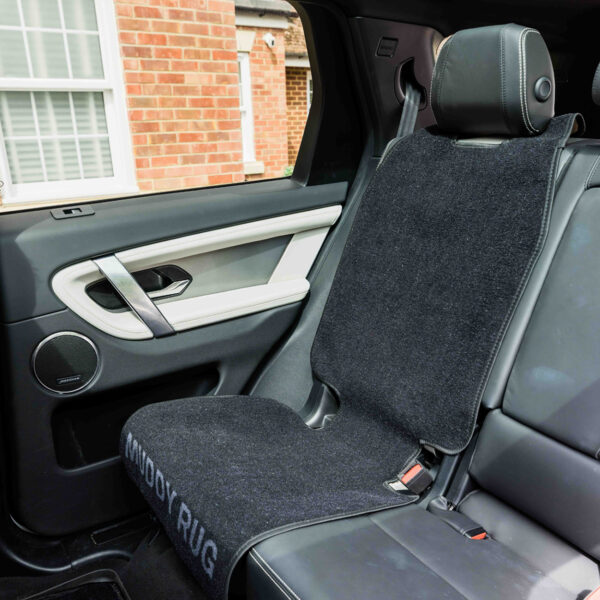
Use machine-washable barrier rugs or absorbent dog mats designed for cars. They protect upholstery and make cleaning up messes less stressful. - Try Conditioning and Desensitisation Programs
Retrain your dog’s response to travel with gradual exposure and rewards to rebuild positive experiences with car rides.
Does My Dog Outgrow Car Sickness?
Many puppies outgrow motion sickness naturally as their balance system matures. Adult dogs that redouble their travel experiences positively may overcome car sickness. However, some dogs never fully outgrow it and require ongoing management to keep them calm and comfortable on the road.
How Can I Make Car Travel Comfortable for My Dog?
Ensuring your dog’s comfort helps reduce anxiety and motion sickness:
- Choose a stable, secure spot in the car where your dog can sit or lie comfortably without slipping.
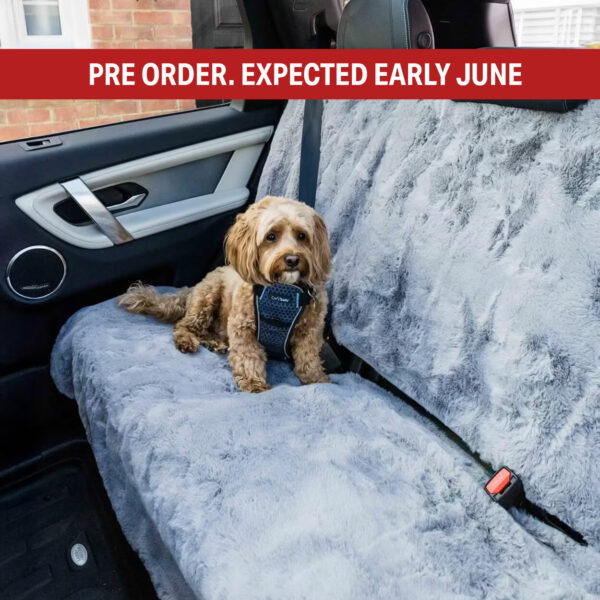
- Provide familiar blankets or scents that remind them of home – or a luxury back seat car cover.
- Avoid sudden accelerations, harsh braking, and twisting turns. Smooth driving helps minimise nausea.
- Take frequent breaks on long journeys so your dog can stretch, relieve themselves, and get fresh air.
When Should I Contact My Vet About My Dog’s Car Sickness?
If your dog’s vomiting is severe, frequent, or accompanied by symptoms like shaking, panting excessively, or showing signs of distress beyond travel discomfort, seek veterinary advice. Sudden onset or worsening of car sickness may indicate an underlying health issue such as an ear infection or vestibular disorder that needs treatment.If your dog struggles with car sickness, your next step could be a gradual desensitisation routine combined with protective dog car seat covers from Pet Rebellion that keep your car clean and your pet comfortable.
-
Back Seat Comfy Car Seat Cover
Original price was: £44.99.£35.99Current price is: £35.99. -
Car Seat Carpet – Adjustable Headrest
Original price was: £36.99.£29.59Current price is: £29.59. -
Complete Car Seat Carpet Set
Original price was: £165.95.£132.76Current price is: £132.76. -
Half Back Seat Carpet Set
Original price was: £54.98.£43.98Current price is: £43.98. -
Isofix Car Seat Carpet
Original price was: £23.99.£19.19Current price is: £19.19.