
How to Stop Your Dog from Chewing Furniture When Left Alone
For many dog owners in the UK, coming home to find chewed and damaged furniture is a frustrating all-too-common experience. Dogs often chew furniture out of natural instinct, boredom, anxiety, or to relieve teething discomfort. When left alone, these behaviours can intensify, leading to costly damage and stress for both dog and owner.
Why Does My Dog Chew Furniture When Left Alone?
Chewing is natural and normal behaviour for dogs, serving many purposes from exploring the environment to relieving pain and expressing emotions. Puppies often chew due to teething pain, which usually eases by six to nine months. Adult dogs chew to keep their jaws strong, maintain dental health, and alleviate boredom or mild anxiety.
When dogs are left alone, some may become anxious or lonely, turning to chewing as a coping mechanism. This can be especially true for dogs suffering from separation anxiety, which causes intense distress when their owners are absent. Signs of separation anxiety include chewing, whining, pacing, and restlessness primarily when left alone. In other cases, chewing may stem from lack of mental and physical stimulation, leaving dogs seeking ways to entertain themselves.
How Can I Stop My Dog from Chewing Furniture?
Provide Appropriate Chew Toys and Safe Alternatives
Offering a variety of safe, durable chew toys tailored to your dog’s size and chewing style can redirect their natural instinct. Rotate toys regularly to maintain interest. Natural chews such as bully sticks, and durable rubber toys like Kongs are excellent options.
Use Taste Deterrents
Pet-safe bitter sprays or homemade mixtures like diluted lemon juice or apple cider vinegar can discourage chewing by making furniture taste unpleasant. Always test sprays on a small area first and supervise the initial uses to ensure effectiveness without harming the furniture.
Increase Exercise and Mental Stimulation
A tired dog is less likely to chew destructively. Ensure your dog receives sufficient daily physical exercise suited to their breed, age, and health. Combine this with mental enrichment like food puzzle toys, obedience training, and interactive games to keep your dog’s mind engaged.
Train with Positive Reinforcement
When you catch your dog chewing furniture, calmly interrupt and redirect them to an approved chew toy. Praise and reward them immediately when they choose the toy. Teaching commands such as “leave it” and “drop it” can help reinforce boundaries.
Address Separation Anxiety
If chewing occurs mainly when your dog is left alone and accompanied by other anxiety signs, gradual desensitisation, calming strategies, and seeking advice from a professional behaviourist or vet can be beneficial. Avoid using punishment or harsh methods, as these can worsen anxiety.
Manage Your Dog’s Environment
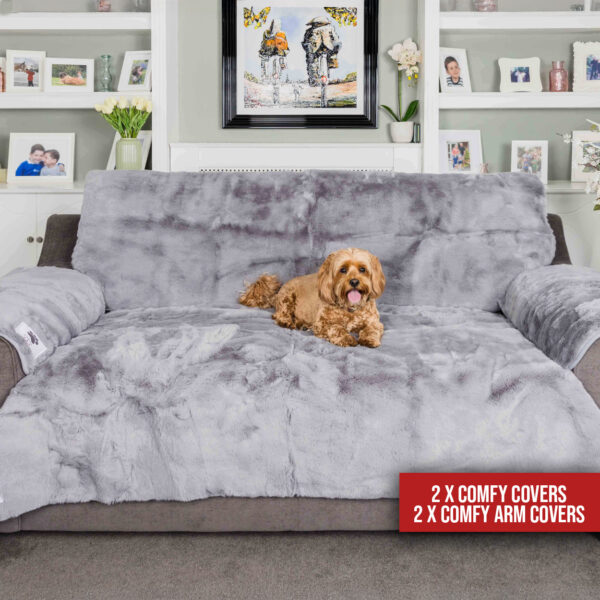
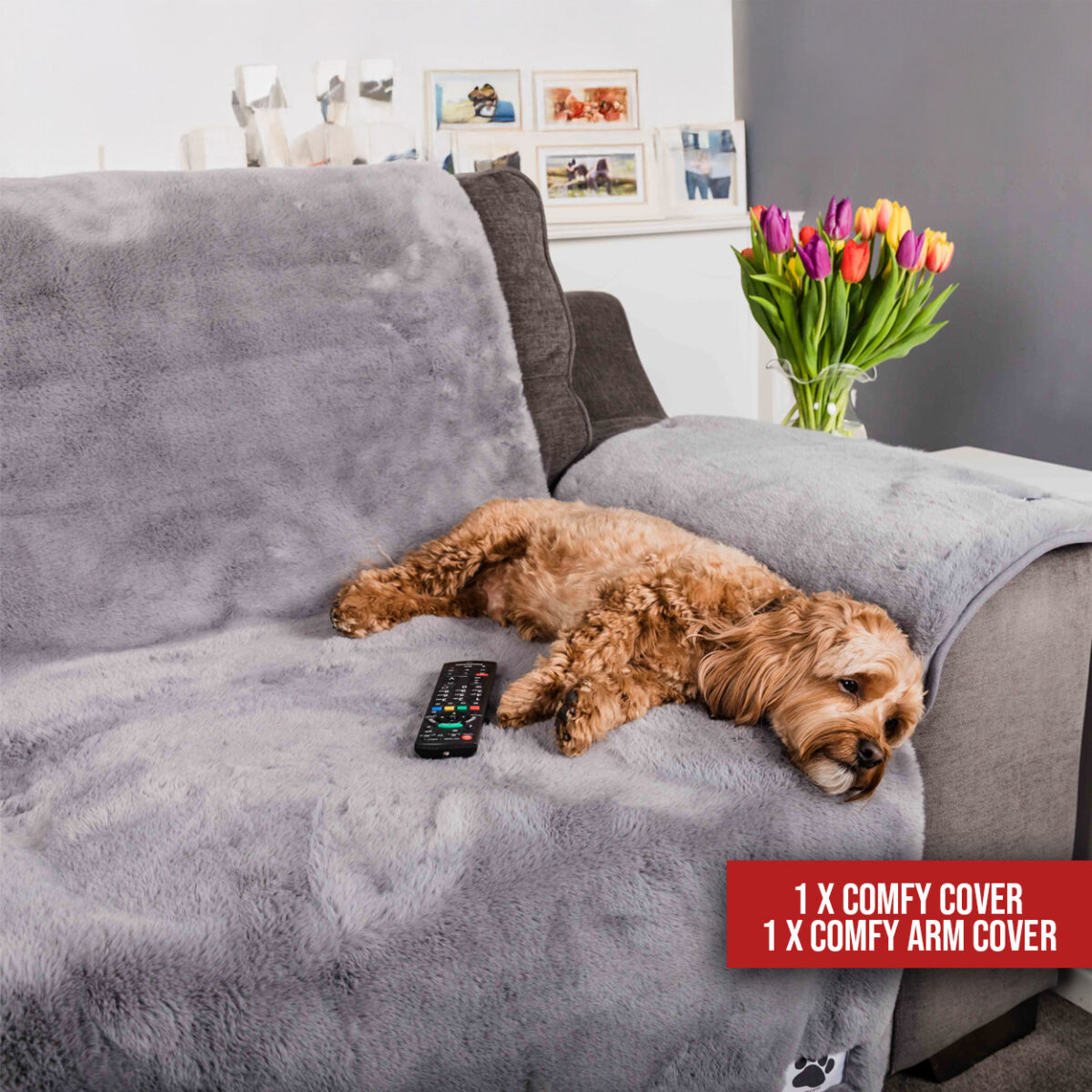
Dog-proof the areas where your dog spends time by removing or securing items that might tempt them to chew. Furniture covers, baby gates, or confining your dog to a safe room or crate when unsupervised can reduce access to off-limit items. Consider also using sofa covers for dogs to help protect your furniture when your dog is indoors.
Are There Specific Dog Breeds More Prone to Chewing Furniture?
While any dog can develop destructive chewing habits, certain breeds with high energy levels, strong prey drive, or intelligence tend to chew more out of boredom or anxiety. Popular UK breeds like Labradors, Terriers, and Beagles often require more exercise and mental stimulation. However, breed predisposition does not mean the behaviour is unavoidable, consistent training and enrichment are crucial.
What Should I Avoid When My Dog Chews Furniture?
Avoid punishing your dog after the fact, as they do not connect past behaviour with current punishment. Harsh reprimands, physical punishment, or inhumane methods like taping the dog’s mouth shut are ineffective and cruel. Chasing your dog when they’ve taken something to chew only turns it into a game. Instead, focus on positive redirection, training, and environmental management.
Can Chewing on Furniture Harm My Dog?
Yes, chewing furniture can cause mouth injuries including broken teeth, ingestion of harmful materials, or exposure to toxic substances like paint or varnish. It can also lead to digestive blockages if swallowed. Protecting your dog by providing safe chew alternatives and limiting access to unsafe items is critical.
How Does Mental Stimulation Help Reduce Destructive Chewing?
Mental stimulation addresses boredom, a common root cause of destructive chewing. Engaging your dog’s brain with puzzle feeders, training sessions, scent games, or interactive toys provides an outlet that satisfies their natural instincts and reduces anxiety. Combined with physical activity, mental enrichment is a cornerstone of successful behaviour management.

What’s the Best Way to Redirect My Dog’s Chewing to Appropriate Toys?
You should introduce a variety of chew toys with different textures and challenge levels. When your dog begins to chew furniture, calmly redirect them to a toy, encouraging them with praise and treats. Keep new toys novel by rotating them and consider toys you can stuff with treats to hold your dog’s interest longer. Offering chews with scents your dog likes can also be helpful.
When Should I Consult a Vet or Professional Trainer?
If your dog’s chewing is sudden, severe, or accompanied by other troubling behaviours, a veterinary check-up is important to rule out dental pain, nutritional deficiencies, or medical conditions. For behavioural causes like separation anxiety or compulsive chewing, consulting a certified canine behaviourist or professional trainer specialising in positive, reward-based methods will provide personalised support.
Help Your Dog and Save Your Furniture
Alongside training and enrichment, having the right tools at home makes a real difference. Pet Rebellion offers practical, dog-friendly products designed to protect your furniture and help your dog settle more comfortably when you’re not around.
From non-slip, washable dog rugs that provide a designated spot to relax, to sofa and chair protectors that guard against wear and muddy paws, our range is designed with both dogs and owners in mind. Our barrier mats can also help subtly reinforce off-limit areas without creating stress for your pet.
These aren’t just protective items, they support the wider training process by setting clear boundaries and offering familiar, comforting spots your dog can return to.
Explore our collection to find solutions that work with your space and your dog’s routine, all while keeping your home looking good.
-
Comfy Cover Ultimate Sofa Bundle – Stone
Original price was: £99.96.£79.97Current price is: £79.97. -
Comfy Cover Complete Sofa Bundle – Grey
Original price was: £59.97.£47.98Current price is: £47.98. -
Comfy Cover Complete Sofa Bundle – Stone
Original price was: £59.97.£47.98Current price is: £47.98. -
Comfy Cover Sofa Bundle – Stone
Original price was: £49.98.£39.98Current price is: £39.98. -
Comfy Cover Sofa Bundle – Grey
Original price was: £49.98.£39.98Current price is: £39.98. -
Comfy Cover Ultimate Sofa Bundle – Grey
Original price was: £99.96.£79.97Current price is: £79.97.